The Term for the Intrinsic Way That Humans Perceive Art Is Called
Articles and Features
Value in Art – What Makes Art Valuable?
By Chiara Bastoni
The definition of value in art is an ever-disputed topic in the art world as the elements of art value are extremely numerous and often highly subjective rather than empirical. Understanding this concept at the cadre of the art marketplace is essential to all those who wish to take their first steps into the fine art world. For case, what makes art valuable? Does this concept only have to do with the toll? Does information technology reflect the symbolic nature of art or rather the fineness of its material?
Watch the video below and read on to understand what is the value of art and what are the elements that ascertain it.
The Value of Art: What Makes Art Valuable? | Artland Academy
What is Value in Art?
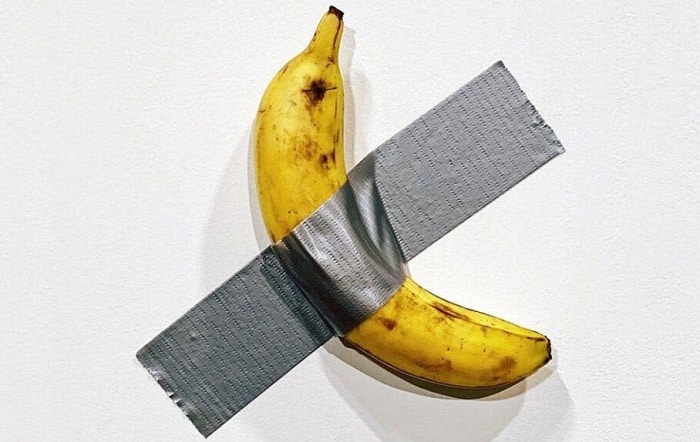
The parameters and elements that determine the value of fine art have certainly inverse from the past. Until the appearance of the modern era, the question about what is the value of art could exist answered more than hands, taking into consideration the materials used, the purpose served, the dimensions, the notoriety of the artist and of the commissioner – an extremely common figure back then. Fifty-fifty though not all of these elements have disappeared, today they are certainly complemented by others. One just has to call back that today an art piece like Comedian past Cattelan can sell for 150.000 USD, a toll that certainly exceeds the cost of the materials employed: a banana and a strip of duct tape.
The Elements that Define the Value of Fine art
Although simplistic – like all classifications – a useful categorization of the dissimilar aspects involved in the definition of the value of fine art includes:
- The intrinsic or inherent value of fine art, pertaining to its symbolic quality;
- The social value of art;
- The commercial (or market) value.
The Intrinsic Value of Art
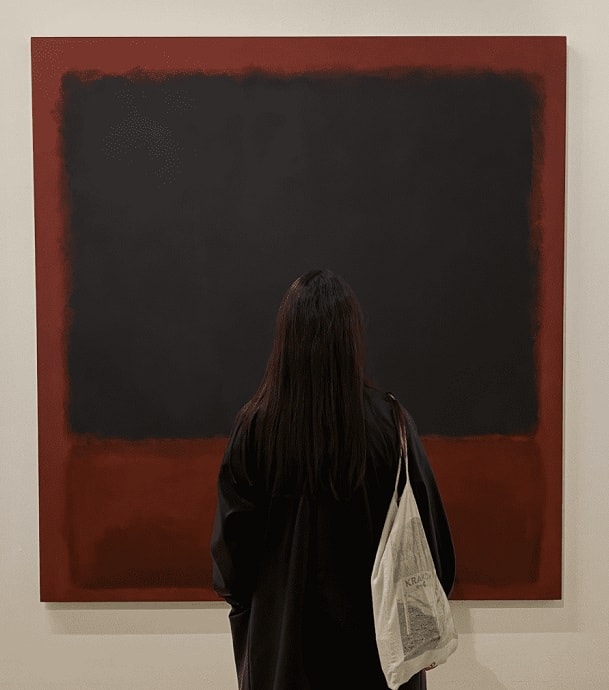
The intrinsic value of a piece of fine art consists of what tin can't be adamant by numbers. The nigh hard one to pivot down, the intrinsic (or inherent) is a highly subjective emotional value, connected to how a specific work of art makes the viewer experience, what sensations it provokes, and, of form, this can't exist held or shown. Furthermore, all these variables depend upon cultural background, educational activity, and personal life experience. and are rather independent of materials employed. For example, leaving the investment aspect of an fine art purchase bated, if an artwork made of gold leaves you common cold, its low intrinsic value to you won't justify its cost. Debates around the overall meaning of art are countless and the definition of intrinsic value is something that pertains to the individual. After all, it has something to do with the uniqueness, irreplaceability, and sacred aura that surrounds fine art.
The social value of fine art
Another relevant element of art value is societal significant. Art indeed is a means of advice, every bit it passes ideas, values, feelings, concepts, which might be received differently past each observer but still vehiculate ideas concerning club and human condition. When producing fine art, an artist shares a story, a sentiment, cultural elements and the moment people perceive it, they also empathize it and projection their own stories, sentiments and cultures. Moreover, the social value of art comes from the capacity of gathering individuals for the purpose of a communal experience.
The commercial value of art
The third primary chemical element of art value is marketplace value, in simpler terms, its price. Given what was mentioned almost the social and intrinsic value of art, it should exist clear now that an artwork's price is non determined the same way as commonsensical goods. The commercial value of an fine art slice, in fact, is adamant according to some commonage consensuses, exactly like currency: it is a homo stipulation to define it.
When talking nigh fine art, there are two separate markets where negotiations have place and this stipulation happens: the primary market, undermining the passages from the artist's hands to its first purchaser, where the price is decided mainly past the creative person himself and his dealer, and the secondary marketplace, for all successive passages of an art piece, where the cost inevitably follows the principle of demand and supply.
What makes art valuable?
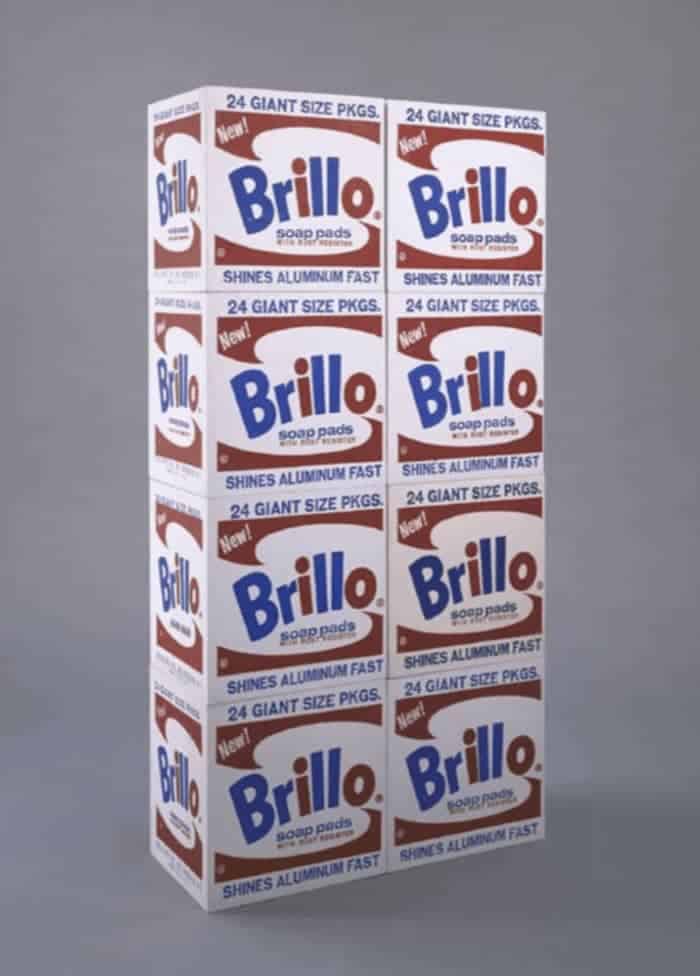
As mentioned, the market value is mainly determined past the galleries and auction houses. The consensuses that are built-in in this context are accountable for establishing a history of pricing for an artwork or an creative person, which helps new works or works resold on the market to be priced.
Several are the inputs to this procedure:
One of them is the context of the production of an artwork. This can either be of historical importance or have a certain meaning in the development of history.
Another essential chemical element is the provenance of the work, meaning the history of ownership one time it enters the secondary market. If the previous owner of the slice was a famous collector, this information certainly doesn't pass unobserved. If the artwork belonged to a museum, this adds an incredible value to the art piece, as much as to brand them "off" the market most of the time. This also has an effect on the rarity of the work and on the mechanisms of demand and supply: the more artworks of a specific artist are situated in public museums, the less amount of artworks volition be available for auction, therefore, the more the value of those works for sale.
The market besides takes into consideration the atmospheric condition in which the artwork has been preserved. This is evaluated past experts and varies according to the sense of taste of the period. There were eras, in fact, where invasive restorations were carried out to the detriment of originality, while at present this is an element that takes out value rather than calculation more.
Other paramount factors to consider are the authenticity of the work, which is technically evaluated, and the quality of its product, which is, on the opposite, subjective. Notwithstanding, subjectivity is removed past art critics who are able to judge on factors such equally the clarity of execution and the mastery of the medium used, independently from manner and era.
Other elements to take into consideration are the size of the work and the materials used, even though, peculiarly when it comes to contemporary art, these factors became secondary. Sometimes also the subject has an impact on the price, as, for case, women subjects on boilerplate sell meliorate than men.
Finally, the market values extremely the artist who produced the work. Whether the artist is unknown, emerging, or a baddest artist, it makes a huge deviation. The price is based on the artist'south exhibition history, sales history, and career level. In full general, the greater the need for an artist, the higher the prices fetched on the market.
Relevant sources to learn more than
Learn more than with our Summit 10 Books That Explore the Fine Fine art of Collecting
Read more on BBC: Why is art so expensive?
Wondering where to start?
Source: https://magazine.artland.com/value-art/
0 Response to "The Term for the Intrinsic Way That Humans Perceive Art Is Called"
Post a Comment